
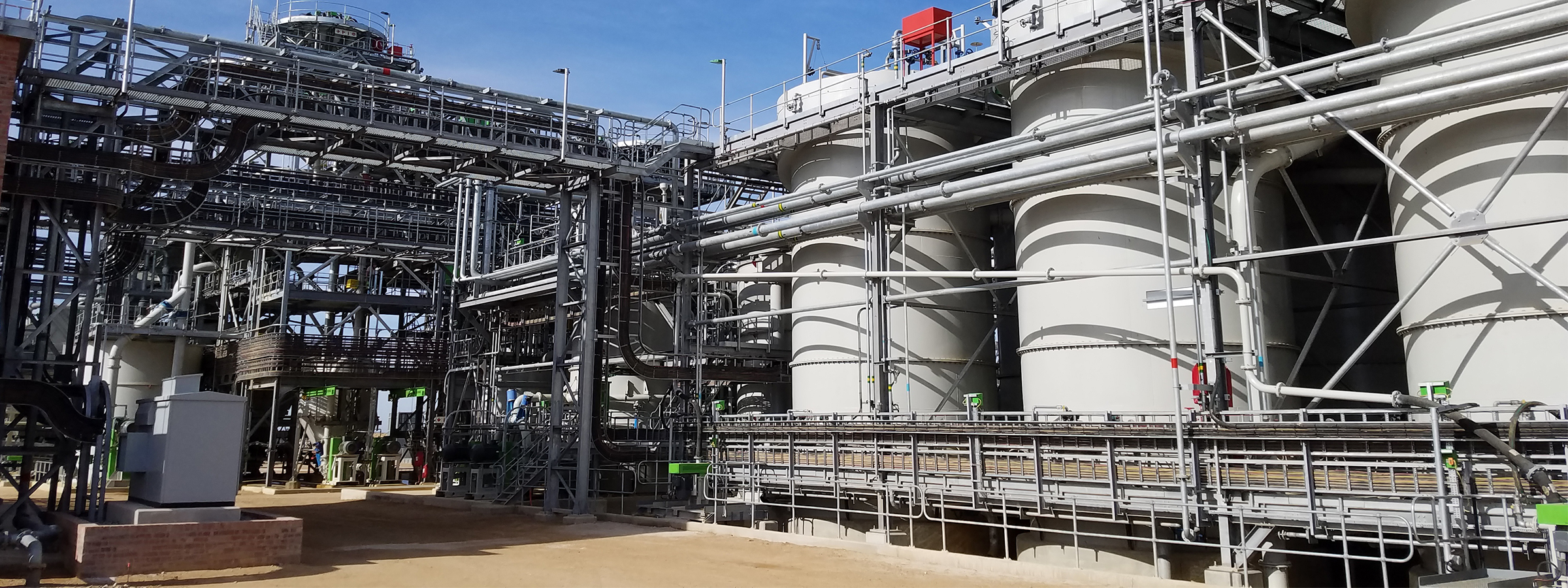
Column Flotation
Higher Grade.
More Production.
Lower Cost.
Eriez Columns deliver multi-stage flotation performance in a single cell, producing more concentrate at higher grades with lower capital and operating costs, backed by 1,280+ installations across 45+ countries and 30+ applications.
The Column Flotation Difference
- Enhanced metallurgical performance
- High selectivity and product quality
- Reduced maintenance and improved equipment availability
- Low energy consumption
- Compact plant footprint
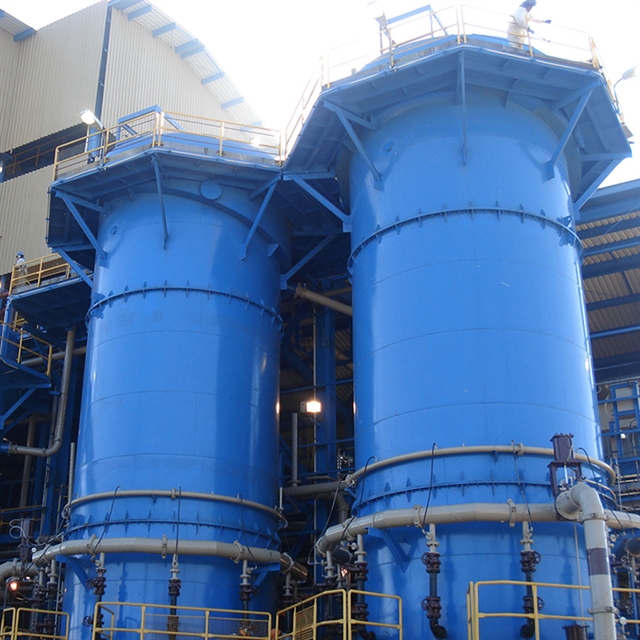
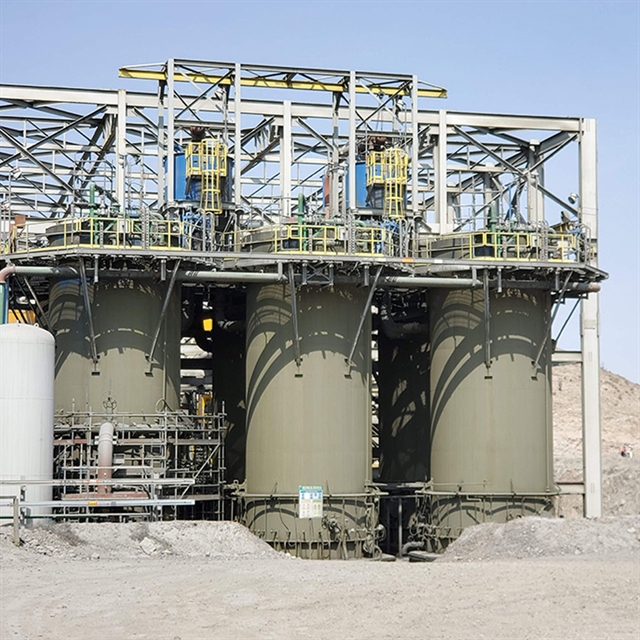
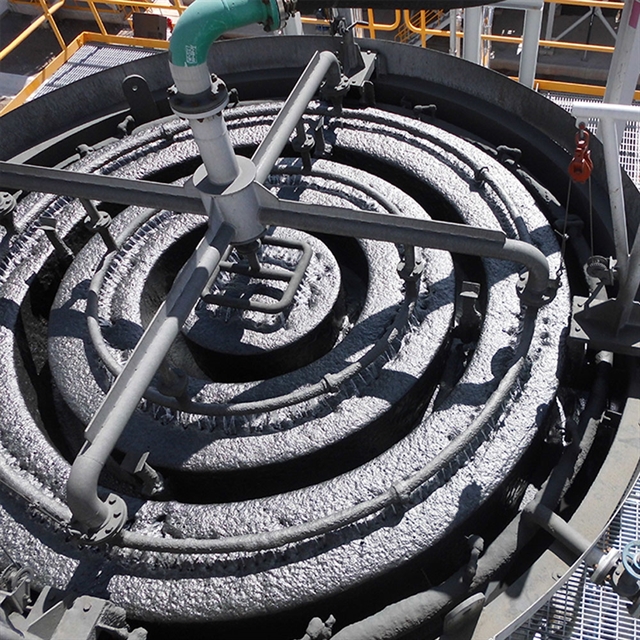
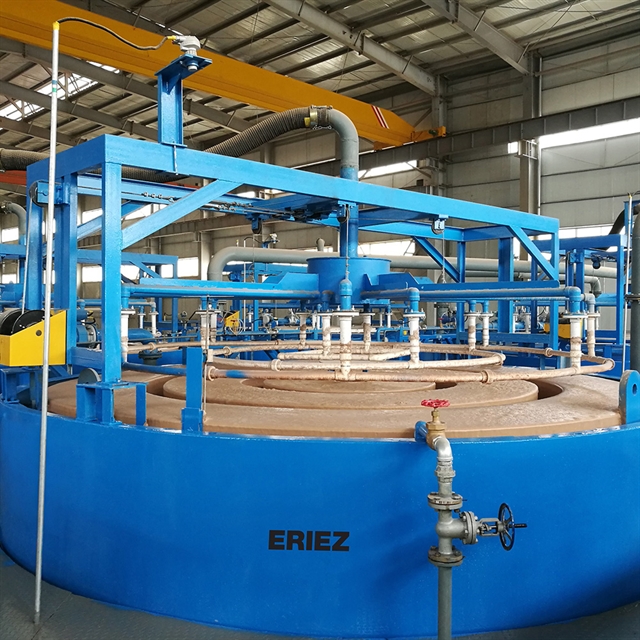
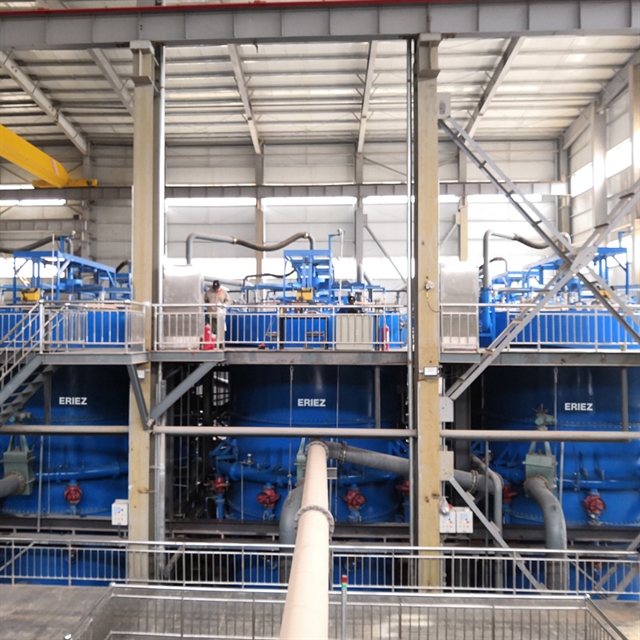
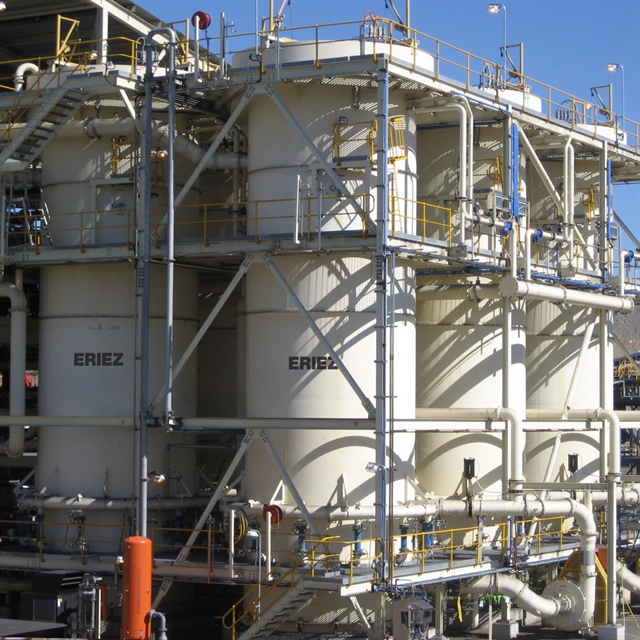
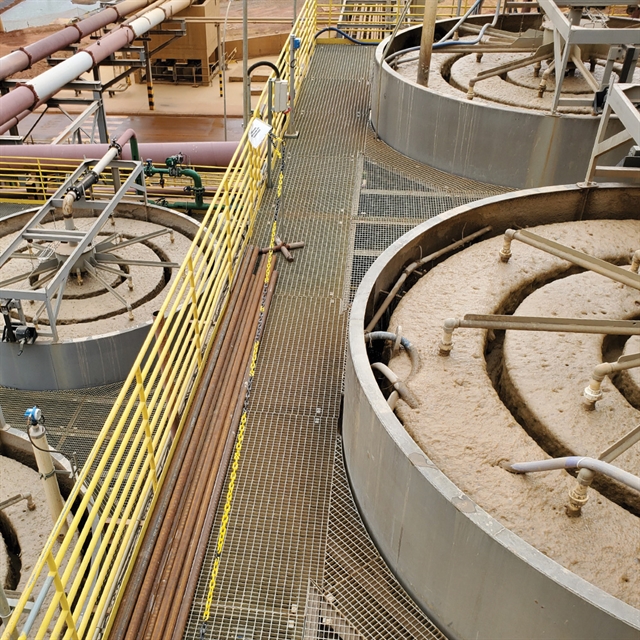
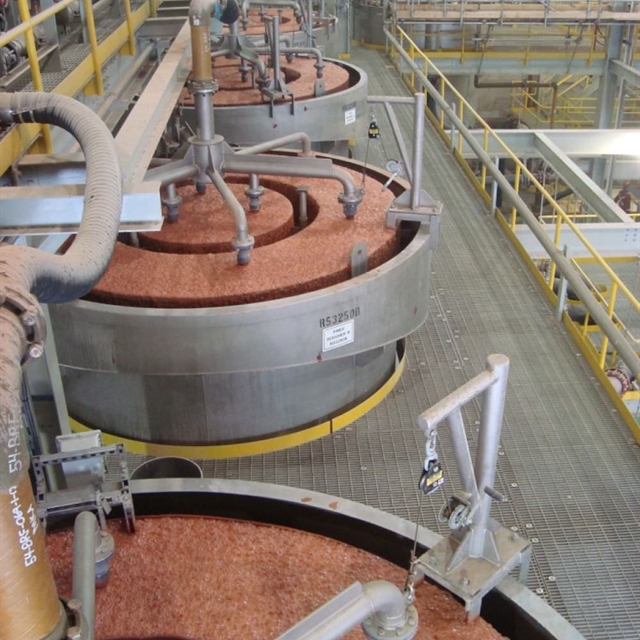


How Eriez Columns Transform Your Operation
Higher Grade
______________________
- +3–8% higher concentrate grade vs. parallel mechanical cell circuits
- Full-surface wash water minimises entrainment — the root cause of poor selectivity in mechanical circuits
- Deep, highly configurable froth zone provides exceptional control of selectivity and product quality
More Production
______________________
- Up to +50% higher stage recovery of ultrafine particles vs. conventional sparging
- CavTube picobubbles nucleate on particle surfaces to overcome bubble-particle collision limits
- +2% global recovery demonstrated across base metals and iron ore, up to +15% for industrial minerals
Lower Cost
______________________
- Up to 40% lower CAPEX — one column replaces up to three stages vs. mechanical cells
- Up to 15% lower plant footprint vs. other pneumatic technologies
- Up to 80% lower power, 40% lower reagent use vs. mechanical and downcomer cells
- No rotating wear parts, online serviceable — lower maintenance cost and downtime
Overcoming the Physical Limitations of Fine Particle Recovery
Conventional flotation cells struggle to recover ultrafine particles due to poor bubble-particle collision probability — a physical limitation that drives global recovery losses in the fines fraction. Gangue entrainment compounds the processing challenge, rising sharply at finer liberation sizes, eroding concentrate grade and forcing additional flotation stages to mitigate. These fine particle flotation challenges are increasingly costly as ore grades decline globally, pushing plants toward finer, more complex feeds. Eriez columns overcome both limitations at once — combining high-efficiency ultrafine bubble generation with deep, counter-current froth washing to maximise collision probability and minimise entrainment in a single stage.
Optimised Bubble Generation
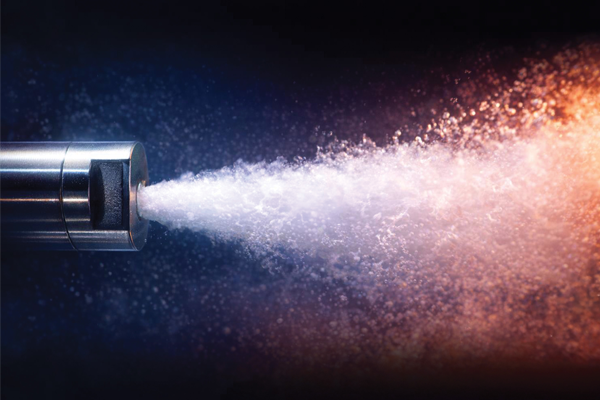
Ultrafine Bubble Generation
Bubble surface area flux is directly correlated with the flotation rate constant — higher gas flux delivers faster kinetics and higher stage recovery. Eriez SlamJet and CavTube column spargers are engineered to maximise bubble surface area and gas hold-up for your specific ore, optimising bubble-particle collision and attachment.
Why It Matters
Improves ultrafine particle recovery by overcoming the physical limitations of conventional flotation — namely, the low probability of particle-bubble collision — through optimised bubble generation.
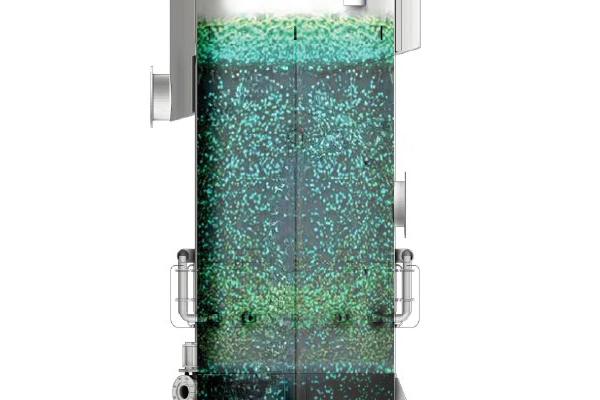
Counter-Current Quiescent Contacting
Counter-Current Quiescent Contacting
Feed slurry is evenly distributed across the column cross-section and descends through a rising bubble swarm in a low-turbulence environment. Counter-current flow maximises bubble-particle contact time, increasing the probability of collision and attachment. Quiescent conditions enhance selectivity and enable formation of a deep, stable froth with wash water.
Why It Matters
Improved bubble-particle contact reduces energy and reagent consumption while enhancing selectivity and overall recovery.
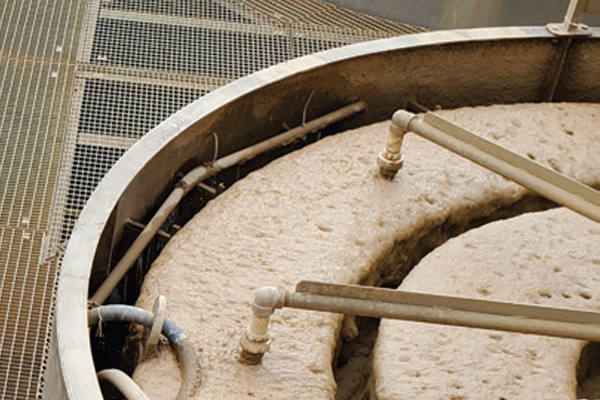
Deep Froth and Full-Surface Wash Water
Deep Froth and Full-Surface Wash Water
A deep, configurable froth with full-surface wash water reduces entrainment, acting as the column's primary cleaning zone and enabling higher upgrade ratios.
Why It Matters
Controllable entrainment mitigation with high selectivity — reducing the number of stages and associated costs while improving grade (direct) and recovery (reverse) relative to conventional and pneumatic cells.
Proven Across Every Major Application
Proven in 35+ Column Flotation Applications
Eriez has supplied more than 1,280 column flotation cells worldwide using tailored air sparging technologies for an extensive range of mineral applications and flotation feed particle size distributions.
Applications
Copper (Cu/Mo, Cu/Au), Gold, Silver, Reverse flotation of Silica from Iron Ore, Phosphate (Sedimentary and Igneous), Potash, Spodumene, Rare Earth Elements (REEs), Oil Sands, Coal, Ilmenite, Bauxite, Lead-Zinc, Tin, Calcite, Kaolin, Wastewater Treatment, and more
1,280+
Columns Installed Worldwide Across base and precious metals, industrial minerals, coal, and specialty applications
35+
Mineral Application Types From copper and gold to iron ore, phosphate, bitumen and wastewater treatment
45+
Countries of Operation Global technical network in every major mining jurisdiction
35+
Years of Installed Operations Experience Predictable, repeatable performance across all applications
Advanced Sparging Solutions for Every Flotation Application
Eriez column sparging systems are engineered to deliver reliable, optimised bubble generation, maximising bubble-particle collision and attachment probability to enhance mineral recovery and selectivity across a wide range of flotation applications. Eriez offers two purpose-engineered sparging systems, enabling each column to be optimised for the unique requirements of the application: the SlamJet for proven, reliable operation and high-grade performance, and the CavTube for maximum concentrate production and high-grade performance through high-intensity cavitation sparging.
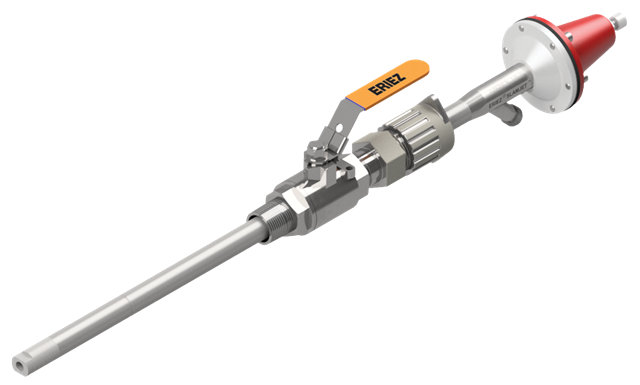
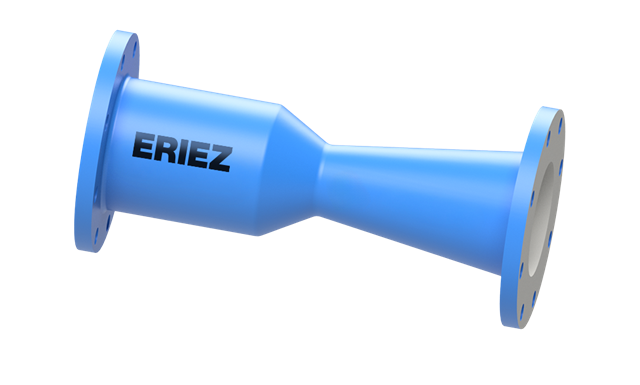
SlamJet Spargers for Column Flotation
Proven High-Grade Performance
Internal Lance Sparger
The SlamJet forces high-pressure air through a converging nozzle, generating microbubbles averaging 0.8 mm in diameter — 2.5x the bubble surface area flux of mechanical cell aeration. Its fail-closed mechanism prevents slurry backflow, while the high-wear components are externally replaceable without draining the column.
Key Advantages
- Proven internal lance sparging technology
- Simple and robust sparging design
- Reliable long-term operation
- Consistent high-grade performance
Easily retrofitted to improve the performance of other flotation cells or gas injection duties.
Discover the benefits and advantages that SlamJet and Cavtube Spargers have to increase the recovery of valuable minerals like gold and silver.
CavTube Spargers for Column Flotation
Maximum Concentrate Production with High-Grade Performance
External Cavitation Sparger
The CavTube generates two bubble populations simultaneously, ~100 µm microbubbles from high-shear cavitation, and ~1 µm picobubbles nucleated directly on hydrophobic particle surfaces. Picobubbles overcome the physical limitations of conventional collision-attachment, delivering single-stage ultrafine particle recovery with high concentrate grades that other technologies cannot match.
Key Advantages
- High-intensity cavitation sparging
- Enhanced fine and ultrafine particle recovery
- Maximum concentrate production
- High-grade performance
Easily retrofitted to improve the performance of other flotation cells or gas injection duties.
Proven Metallurgical Performance
Copper · Western Australia
DeGrussa Copper-Gold Concentrator
Sandfire Resources | 1.5 Mtpa | CavTube™ Column, 4,250 mm
Reverse Flotation of Silica from Iron Ore
DR-Grade Production from Fine Banded Hematite Quartzite
+850 ktpd | CavTube Column R-C-S Circuit | Pilot-Tested, Industrially Simulated
Industrial Minerals · Phosphate
Sedimentary Phosphate Slimes Beneficiation
12 Mtpa Operation | CavTube™ Column Slimes Flotation | Pilot-Tested, Industrially Simulated
A single CavTube column transformed an overloaded cleaner circuit — reducing the circulating load, recovering fine particles mechanical cells could not treat, and adding 2.6 percentage points to global plant copper recovery.
98.5%
Cleaner block Cu recovery — Up from 67–80% with mechanical cells
+2.6pp
Global plant Cu recovery — From 89.1% to 91.7%
30×
Scale-up ratio — Lab to 4,250 mm industrial column — same grade-recovery curve
A CavTube Column circuit delivered tight grade control with lower operating costs, 15% reduction in plant footprint and a +2.0% increase in yield — outperforming downcomer cells and mechanical flotation cells under variable feed conditions.
Tight
Grade Stability — Consistently produces >68% Fe concentrate with the lowest tailings grades among evaluated technologies
-68%
Specific Operating Cost — Up to 68% lower power consumption and up to 40% lower reagent usage vs. alternatives
+2.0%
Higher Yield — Equivalent to ~80,000 t/y additional concentrate production
CavTube Columns enable valorization of phosphate slimes — transforming a previously unrecoverable stream into saleable product while reducing tailings volumes and water losses.
+17%
Higher Global Recovery — Recovers phosphate from slimes previously lost to tailings
-40%
Lower Tailings Generation — Reduces slimes reporting to tailings storage by ~40%
+1 Mm³
Water Recovery — ~1 million cubic metres of water diverted from tailings annually
Lab Testing Available On-Site
Mobile test columns can be brought to your site to predict metallurgical performance and de-risk installation before capital commitment.
We run pilot programs across all major mineral applications.

 Technical Papers, Case Studies & Brochures

Column Flotation White Paper - Benchmarking Performance of Eriez Phospro Column Flotation cells against mechanical cells for reverse flotation of a sedimentary phosphate ore.
Improved Cleaner Circuit Performance - Improved Cleaner circuit performance at the degrussa copper mine with an in situ column sparging system.
Knoblauch et al CMP 2016 Copper Cleaner Paper - Improved Cleaner Circuit Performance at The Degrussa Copper Mine with An In Situ Column Sparging System


